-
Hi, I am the owner and main administrator of Styleforum. If you find the forum useful and fun, please help support it by buying through the posted links on the forum. Our main, very popular sales thread, where the latest and best sales are listed, are posted HERE
Purchases made through some of our links earns a commission for the forum and allows us to do the work of maintaining and improving it. Finally, thanks for being a part of this community. We realize that there are many choices today on the internet, and we have all of you to thank for making Styleforum the foremost destination for discussions of menswear. -
This site contains affiliate links for which Styleforum may be compensated.
-
STYLE. COMMUNITY. GREAT CLOTHING.
Bored of counting likes on social networks? At Styleforum, you’ll find rousing discussions that go beyond strings of emojis.
Click Here to join Styleforum's thousands of style enthusiasts today!
Styleforum is supported in part by commission earning affiliate links sitewide. Please support us by using them. You may learn more here.


 thanks again for the last minute size change, the large definitely worked out better for me!


Streetwear Featured products
-
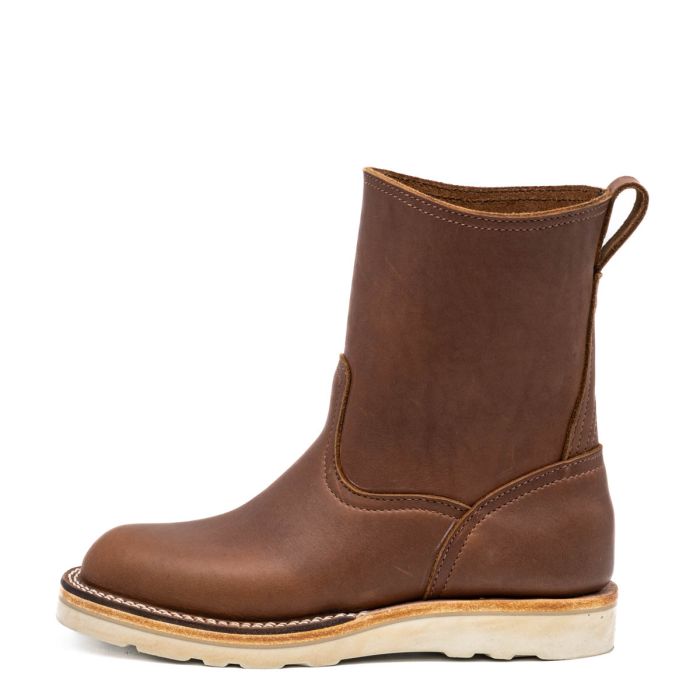 Wellington Chore Boot - Special Introductory Price! $495 Introducing the latest addition to Nicks Handmade Boots collection: The Wellington Chore Boot. Engineered for the rigors of daily tasks, this boot is more than just footwear; it's a reliable companion for your everyday adventures. Crafted with convenience in mind, its effortless pull-on design ensures you're always ready to tackle whatever the day throws your way.
 -
T-shirts Uncovered: UNIFORM/LA - Vintage Black Crew Neck T-shirt - $54 This Made-in-USA tee blends the classic 80s band look with a modern, work-friendly twist. Feel the comfort, embrace the vintage vibes, and bring a little rock ‘n’ roll to your everyday wardrobe.
-
T-shirt Uncovered: UNIFORM/LA - Heavyweight Artist Tee - $64 Crafted with creativity in mind—this heavyweight tee is the canvas for your imagination. Made in the USA with 12.5 oz of premium supima cotton, it’s the perfect choice for those who turn inspiration into art.


Similar threads


