
idfnl
Stylish Dinosaur
- Joined
- Dec 6, 2008
- Messages
- 17,305
- Reaction score
- 1,260
STYLE. COMMUNITY. GREAT CLOTHING.
Bored of counting likes on social networks? At Styleforum, you’ll find rousing discussions that go beyond strings of emojis.
Click Here to join Styleforum's thousands of style enthusiasts today!
Styleforum is supported in part by commission earning affiliate links sitewide. Please support us by using them. You may learn more here.
 LuxeSwap Auction - Kiton Napoli 100% GUANACO Camel Flannel DB Top Coat
A virtual unicorn, this 100% pure Guanaco double breasted top coat by Kiton combines one of the worlds rarest fabrics with one of the worlds most exclusive brands. Retail on this item was deep in the double digits, and is being offered at auction with a $9.99 starting bid with no reserve.
LuxeSwap Auction - Kiton Napoli 100% GUANACO Camel Flannel DB Top Coat
A virtual unicorn, this 100% pure Guanaco double breasted top coat by Kiton combines one of the worlds rarest fabrics with one of the worlds most exclusive brands. Retail on this item was deep in the double digits, and is being offered at auction with a $9.99 starting bid with no reserve.
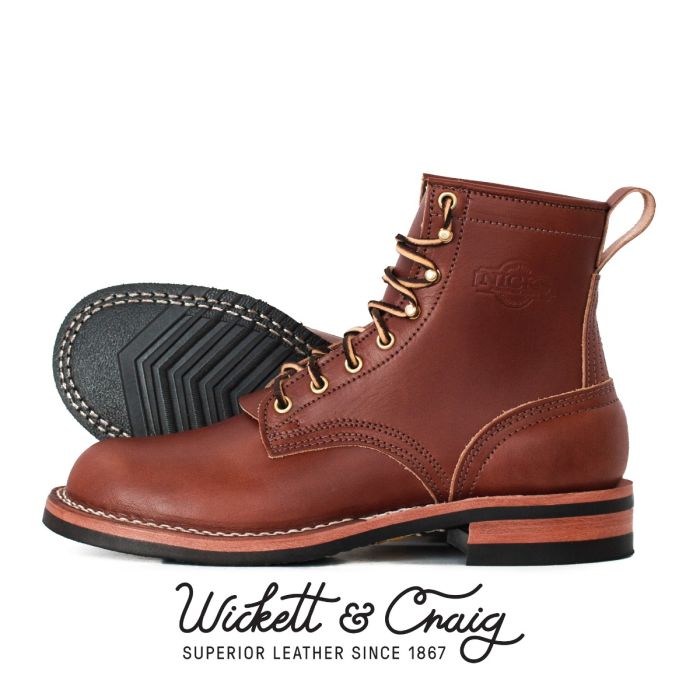 Nicks Boots - Wickett & Craig English Bridle Veg Tan Leather - $759
These boots are made from 6.5 oz Wickett & Craig English Bridle Leather. This tannery has been making leather the old fashioned way since 1867. Each side can take about six weeks to produce, making it a significantly longer production time than most leather on the market.
Nicks Boots - Wickett & Craig English Bridle Veg Tan Leather - $759
These boots are made from 6.5 oz Wickett & Craig English Bridle Leather. This tannery has been making leather the old fashioned way since 1867. Each side can take about six weeks to produce, making it a significantly longer production time than most leather on the market.


