-
Hi, I am the owner and main administrator of Styleforum. If you find the forum useful and fun, please help support it by buying through the posted links on the forum. Our main, very popular sales thread, where the latest and best sales are listed, are posted HERE
Purchases made through some of our links earns a commission for the forum and allows us to do the work of maintaining and improving it. Finally, thanks for being a part of this community. We realize that there are many choices today on the internet, and we have all of you to thank for making Styleforum the foremost destination for discussions of menswear. -
This site contains affiliate links for which Styleforum may be compensated.
-
STYLE. COMMUNITY. GREAT CLOTHING.
Bored of counting likes on social networks? At Styleforum, you’ll find rousing discussions that go beyond strings of emojis.
Click Here to join Styleforum's thousands of style enthusiasts today!
Styleforum is supported in part by commission earning affiliate links sitewide. Please support us by using them. You may learn more here.
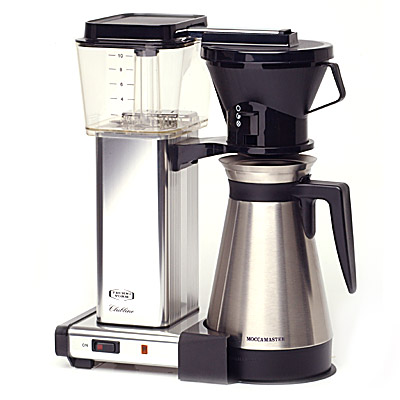
Bodum French press
- Thread starter Connemara
- Start date
- Watchers 0




FEATURED PRODUCTS
-
 LuxeSwap Auction - Paul Stuart Edward Green Butterfly Loafers
A piece of forum lore, preferred by the legendary Reginald Jerome de Mans, the Edward Green butterfly loafer on the 184 last is made even more beautiful by years of unique patina.
LuxeSwap Auction - Paul Stuart Edward Green Butterfly Loafers
A piece of forum lore, preferred by the legendary Reginald Jerome de Mans, the Edward Green butterfly loafer on the 184 last is made even more beautiful by years of unique patina.
-
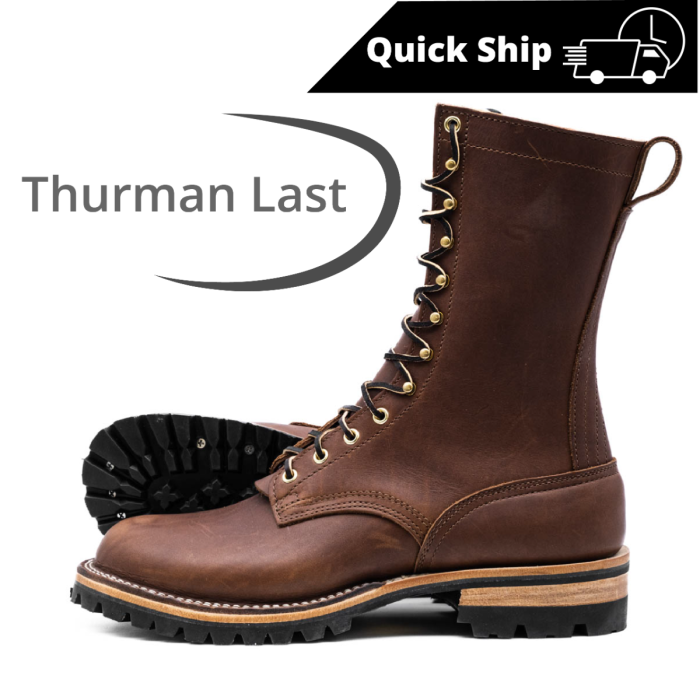 Nicks Handmade Boots - BuilderPro® - ThurmanNW - $589
The BuilderPro® ThurmanNW is designed for those who demand ruggedness without compromising on comfort.
Nicks Handmade Boots - BuilderPro® - ThurmanNW - $589
The BuilderPro® ThurmanNW is designed for those who demand ruggedness without compromising on comfort.
-
Besnard - Navy Cotton Skipper Polo - $180.00 This navy skipper polo is inspired by 1940s sportswear. It features a tailored fit and a slightly shorter body to accommodate high-waisted trousers or shorts.


